


Blogs
What Changes When Your Child Moves from Primary to Lower Secondary School?
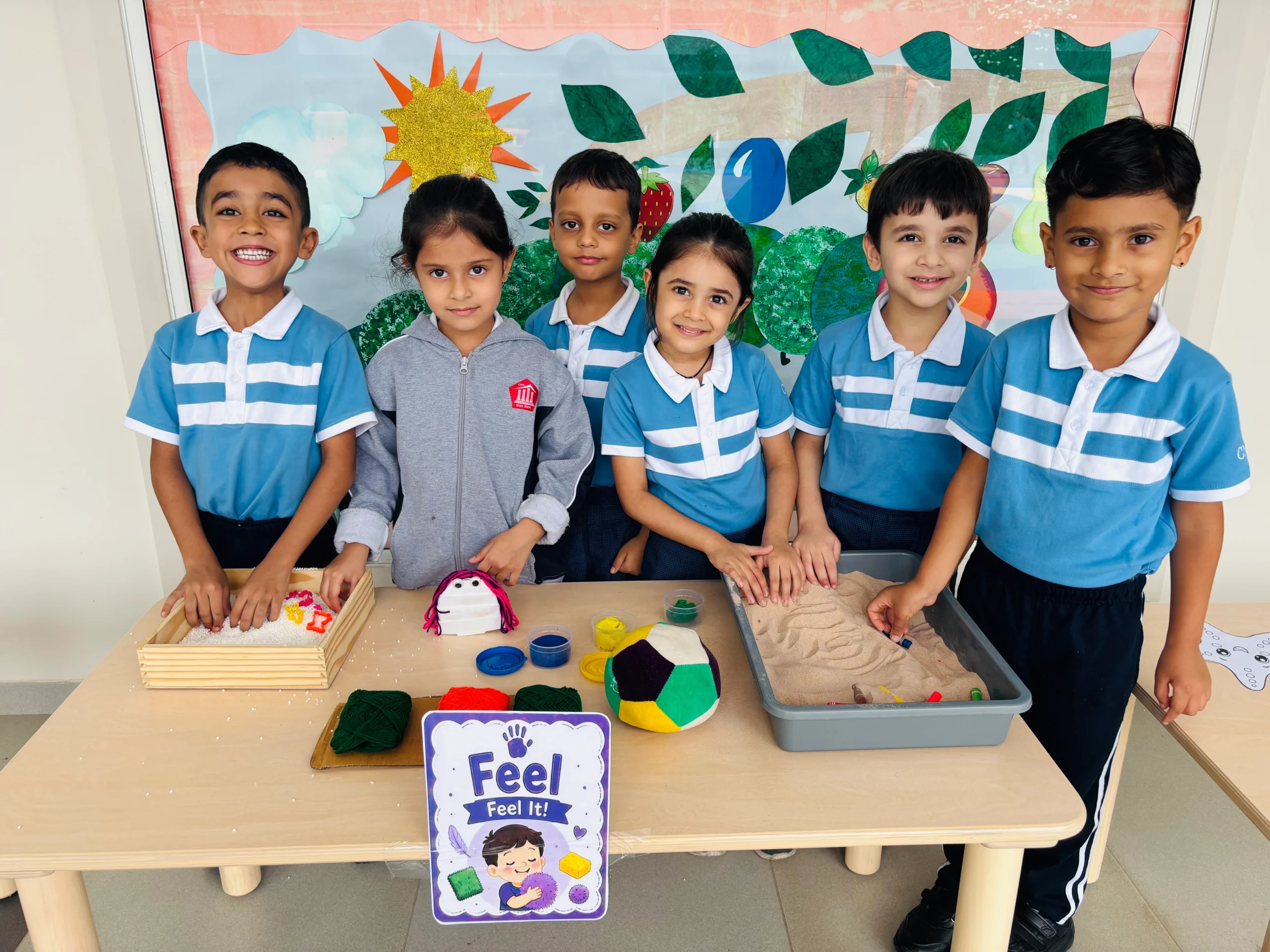
Moving from primary to lower secondary school changes more than lesson difficulty. Children may need to manage several subjects, organise assignments and navigate new social expectations. Understanding the primary to secondary school transition helps parents prepare.
The aim is to build routines and confidence gradually.
1. Learning becomes more complex
Primary school builds foundational knowledge. Lower secondary asks students to connect ideas, explain reasoning, investigate questions and apply knowledge. Assignments may require them to combine information or explain how they reached an answer.
Cambridge Lower Secondary builds on Cambridge Primary and offers a broad range of subjects, including English, Mathematics and Science, as well as options such as Computing, Art and Design, Global Perspectives and Wellbeing. Schools select subjects to suit their context, so families should confirm what is offered. See the official Cambridge Lower Secondary curriculum.
If your child finds a task difficult, resist giving the answer immediately. Ask what they understand, where they became stuck and what they could try next. This supports independent thinking while keeping help available.
2. Organisation matters more
Students may have different teachers, subject-specific instructions, multiple deadlines and more materials to manage. A child used to one familiar classroom routine may now need a more deliberate system.
Help your child record homework and deadlines in a planner, pack their bag using a timetable and check completed tasks. Choose a routine you can sustain.
When something is forgotten, help your child work out how to prevent it happening again rather than automatically taking over. Independence grows through supported practice and manageable mistakes.
3. Teaching and assessment may feel different
Students may encounter different teaching styles, classroom routines and expectations for written work. Assessments may require detailed reasoning and subject vocabulary.
A lower mark can feel discouraging, especially if a child was confident in primary school. Treat the result as information: Which concept is unclear? Were the instructions misunderstood, or is a different revision strategy needed?
Encourage your child to ask teachers for feedback. If difficulties continue, contact the school to identify whether the issue involves knowledge, workload, organisation or adjustment.
4. Friendships and emotions can shift
The transition can change children’s social lives as well as their academic routines. Familiar classmates may be in different groups, new friendships may form, and children may become more aware of peer opinion.
Some enjoy the change; others feel unsettled. Ask what feels good or difficult, listen before offering solutions and avoid assuming quietness automatically signals a problem.
If your child describes persistent exclusion, bullying or distress, take the concern seriously and speak with the school. Emotional adjustment matters alongside academic progress.
5. How parents can help
Preparation starts before the first day and continues after classes begin.
- Build habits: practise using a planner and preparing school materials.
- Encourage problem-solving: ask what your child has tried before stepping in.
- Protect downtime: balance sleep, meals, recreation and study.
- Keep conversations open: discuss experiences without turning every evening into a review of grades.
- Stay connected with teachers and raise concerns early.
The Education Endowment Foundation identifies curriculum continuity, academic demands, unfamiliar routines and peer relationships as transition challenges. Its guidance highlights the value of preparing students for expectations and helping them build positive connections. Read its guidance on supporting pupils through school transitions.
What this means for CNS Indore
The published academic-fee information for CNS Indore lists Cambridge Primary for Grades 1–5 and Cambridge Lower Secondary for Grades 6–7. This confirms the stages listed in the school’s current programme structure but does not establish the exact transition procedures used at the Indore campus.
Parents can review the school’s academic programme and grade structure and ask admissions or the academic team how learning expectations change between Grade 5 and Grade 6. Useful questions include how subject-specific expectations are introduced, how assessment feedback is explained, and whom families should contact if a child struggles during the first term.
These are questions parents can raise, not claims about existing school practices. Parents can also ask how students are guided through new routines and encouraged to seek help when they encounter unfamiliar academic expectations.
Moving into lower secondary is not simply about harder subjects. It is about becoming a more organised, reflective and independent learner. With realistic expectations, practical routines and open communication, parents can help children approach the next stage with confidence.
Frequently asked questions
1. What is the biggest change when moving from primary to lower secondary school?
Students generally encounter more complex academic work, different subject teachers and greater responsibility for organising assignments. They may also need to adapt to new classroom routines and changing friendships.
2. How can parents prepare children for lower secondary school?
Help children practise using a planner, organising school materials, tracking deadlines and asking teachers for clarification. Discuss their concerns and establish sustainable routines before the new academic year begins.
3. Is it normal for children to struggle during the transition?
Some uncertainty is common, but every child responds differently. Persistent academic difficulties, social distress or anxiety that interferes with everyday life should be discussed with teachers and, where appropriate, a qualified professional.
4. Which grades does CNS Indore offer under Cambridge Lower Secondary?
CNS Indore’s published academic-fee page for 2026–27 lists Cambridge Primary for Grades 1–5 and Cambridge Lower Secondary for Grades 6–7. Parents should contact the school to confirm current programme details and progression arrangements.