


Blogs
What Should Parents Expect During Their Child’s First 90 Days of preschool?
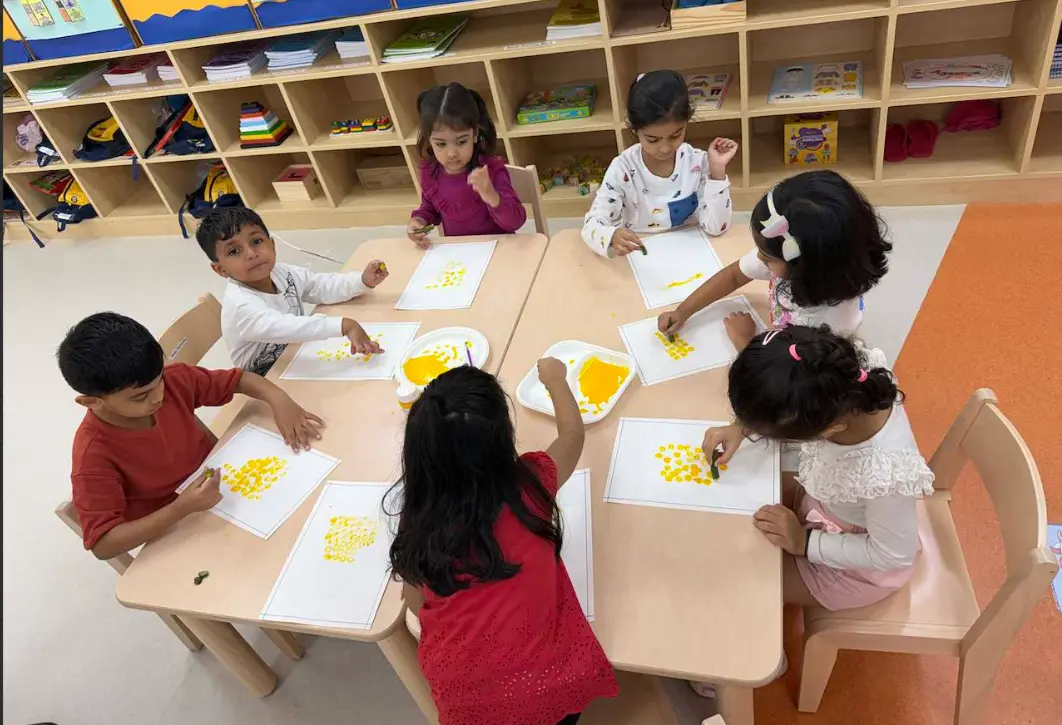
Starting preschool is a major transition. Children must adjust to unfamiliar surroundings, new adults, peers and routines. Some settle quickly; others need more time. Use the first 90 days to observe how your child adjusts, rather than treating them as a deadline for settling in.
Understanding preschool adjustment helps parents recognise progress, respond calmly to difficult days and work with teachers to support their child.
Days 1–30: Becoming familiar
During the first month, children learn who their teachers are, where things belong, what happens during activities and when their parent will return. Some may cry at drop-off, cling to a caregiver, remain quiet or hesitate to join a group. Others may seem tired after school or need extra reassurance at home.
Focus on what happens after goodbye. Ask whether your child settles, accepts comfort or explores. A difficult farewell does not necessarily mean the whole day was difficult.
Keep mornings predictable. Prepare the school bag in advance, allow enough time and use a warm, brief goodbye. Explain when you will return in words your child understands, then follow through. Avoid sneaking away or making your child feel guilty for crying.
Days 31–60: Practising routines and relationships
As school becomes familiar, your child may recognise classmates, respond to a teacher, follow simple routines or communicate needs more comfortably. They might choose an activity, put toys away or join a group briefly. These are possible signs of familiarity, not a required checklist.
Progress is rarely steady. Resistance may return after illness, holidays or tiring days. Look for patterns, not one difficult morning. At home, encourage independence without turning every task into a lesson. Invite your child to put away toys, wash their hands, try eating independently and ask for help. Read together, and let them talk about the day through conversation, drawing or pretend play.
Useful preschool tips for parents include praising effort rather than demanding enthusiasm, keeping routines consistent and sharing relevant changes at home with teachers.
Days 61–90: Growing confidence
By the third month, some children may enter comfortably, explore activities, seek help from a familiar teacher or recover more readily from disappointments. Others may still need reassurance. There is no universal timetable, and a child need not be cheerful every morning to be making progress.
Compare your child’s behaviour with their own starting point. Are they communicating needs more clearly, showing curiosity, recognising classmates or following familiar routines? Social, emotional and practical developments matter alongside academic learning. These phases are illustrative, not research-established milestones or deadlines. Children may progress in one area while still needing support in another.
At CNS Indore, the official academic-fee page lists Early Years 1, 2 and 3 under the Cambridge Early Years Programme. Parents can ask the school about the programme and family communication. Confirm any settling-in process directly with the school.
What should parents ask the teacher?
Specific questions are more useful than asking, “Was everything fine today?” Ask:
- Does my child settle after I leave, and what helps when they become upset?
- Are they beginning to explore activities or interact with other children?
- Can they communicate basic needs or ask an adult for help?
- Have you noticed changes in participation, mood or routine?
- What can we do at home and school to support them?
NCERT’s Guidelines for Preschool Education recommend collaboration between teachers, parents and communities to support children’s learning and development. A 2023 study surveying 535 Swedish preschool professionals found that parent-active introduction approaches were perceived as helpful for building relationships between families and teachers. The study describes professionals’ perceptions in Sweden; it does not establish one best method for every child or Indian school.
When should parents seek extra support?
Ninety days is not a clinical threshold. Speak with the teacher if distress is intense, worsening or repeatedly prevents participation. You do not need to wait three months to raise a concern. Share what you notice at home and ask what staff observe. If significant changes in sleep, eating or behaviour persist, or distress affects everyday life, consider consulting a qualified paediatrician or child-development professional.
The goal is not a perfectly confident child by day 90. It is to help your child build trust and confidence to explore. Predictable routines, reassurance and open communication give this new beginning a stronger foundation.
Frequently Asked Questions
- How long does it take for a child to adjust to preschool?
Every child adjusts at a different pace. Some become comfortable within a few days, while others need several weeks or longer. Familiar routines, patient reassurance and communication with teachers can help children navigate the transition.
- Is it normal for a child to cry when starting preschool?
Yes. Crying at drop-off can be a normal response to separation and an unfamiliar environment. Ask the teacher whether your child settles after you leave, accepts comfort and begins participating in activities. Seek guidance if distress is intense, worsening or persistently interferes with participation.
- How can parents make the first few months of preschool easier?
Maintain predictable morning routines, keep goodbyes warm and brief, encourage age-appropriate independence and talk openly about your child’s experiences. Communicate regularly with teachers so that home and school can provide consistent support.
- What should parents look for during the first 90 days of preschool?
Look for gradual changes in comfort, communication, curiosity, participation and willingness to seek help. These are possible signs of adjustment, not compulsory milestones. Children develop at different rates, so compare progress with your child’s own starting point rather than with other children.